SEND MESSAGE
PAY ONLINE
CASH ON DELIVERY
Note: This product is currently not available.
The product name
$ 150,000
If you wish to buy more than one quantity of this product, please add the desired quantity in the next step.
PROCEED TO PAYMENT
After clicking the button, you will be redirected to a separate page.
YOUR DETAILS
ORDER DETAILS
this is the product name that is to be bought
$ 1200
QTY
Note: The delivery usually takes 2-5 days depending on availability and your location.

+

12
12

MORE

We're open now
OPEN / CLOSE

STORE TIMINGS

Please keep +91 or 0 before the
number when you dial.
CONTACT NUMBERS


EMAIL

IMAGE GALLERY

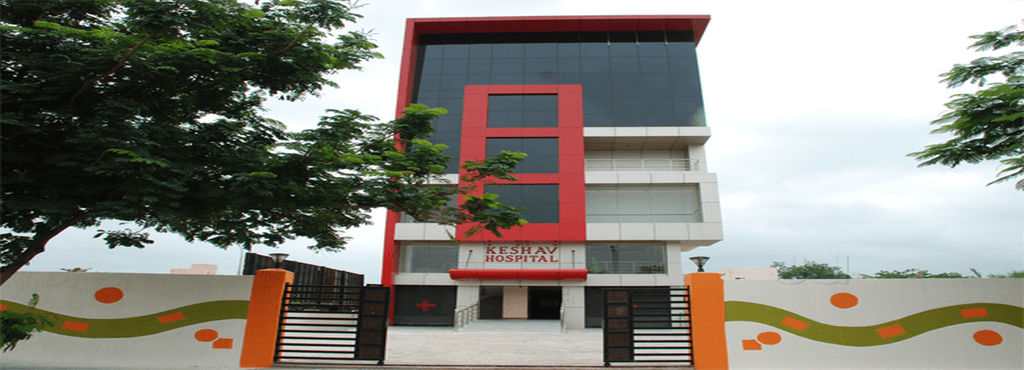
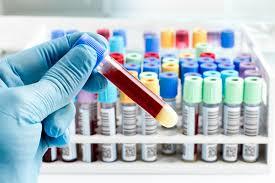
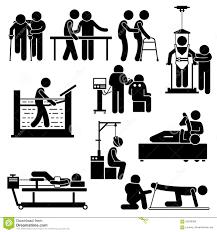
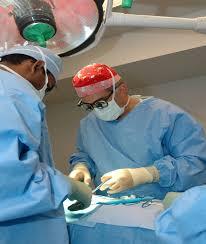
In Nagpur, Keshav Hospital is a recognized name in patient care. It was incepted in the year 2009. They are one of the well-known Hospitals in Mhalgi Nagar. Backed with a vision to offer the best in patient care and equipped with technologically advanced healthcare facilities, they are one of the upcoming names in the healthcare industry. Located in , this hospital is easily accessible by various means of transport. This hospital is also located at Manewada Square - Manewada Road, Manewada Road - Manewada Road. A team of well-trained medical staff, non-medical staff and experienced clinical technicians work round-the-clock to offer various services that include Ambulance Service , Casualty , Chemist , Diagnostic Services , Deluxe Room , Fax Facility , General Ward , Health Checkup Scheme , I.c.c.u. , Internet Facility , Opd Services , Pathology Lab , Sonography , Senior Citizen Health Checkup Scheme , Single Room , Twin Sharing , Xray . Their professional services make them a sought after Hospitals in Nagpur. A team of doctors on board, including specialists are equipped with the knowledge and expertise for handling various types of medical cases. Visit their official website here www.keshavhospitals.com to know more about them and their services. At Keshav Hospital in Mhalgi Nagar, the various modes of payment accepted are Cash. You can reach them at Manewada Square,117 Shrinagar No 2,Ring Road,Mhalgi Nagar-440034. The contact number of this hospital is +(91)-712-2701700,2701705. You can view 12 photos of this establishment as well. This establishment has been rated a 4.3 from a total of 20+ ratings. This listing is also listed in Hospitals, General Physician Doctors, Paediatricians.
ABOUT US
LITHOTRIPSY
INR 0
INR 0 (Save 0%)
Not Available | Free Shipping

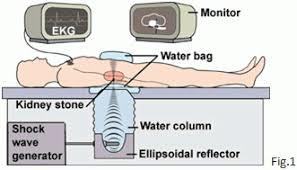
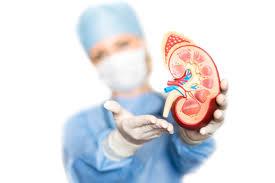
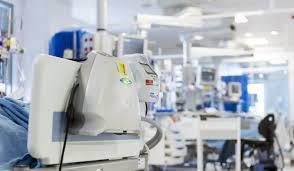
Lithotripsy uses sound waves to break up large kidney stones into smaller pieces. These sound waves are also called high-energy shock waves. The most common form of lithotripsy is extracorporeal shock wave lithotripsy (ESWL). Extracorporeal means “outside the body.” In this case, it refers to the source of the shock waves. During ESWL, a special machine called a lithotripter generates the shock waves. The waves travel into your body and break apart the stones. ESWL has been around since the early 1980s. It quickly replaced surgery as the treatment of choice for larger kidney stones. ESWL is a noninvasive procedure, which means it doesn’t require surgery. Noninvasive procedures are generally safer and easier to recover from than invasive procedures. Lithotripsy takes about 45 minutes to an hour to perform. You’ll likely be given some form of anesthesia (local, regional, or general) so you don’t experience any pain. After the procedure, stone debris is removed from your kidneys or ureter, the tube leading from your kidney to your bladder, through urination.

SEND
Our Latest Services:



Full Product Description
You
Viewed
Viewed

We ensure that your online purchase from NowFloats-enabled website matches your expectations. We strive towards making it secure by providing:
Quality Products and Reliable Delivery
Guaranteed Buyer Protection
Read more